Entry · Ref RTVCDPV4
The Story Behind Dutch Stroopwafels: From Street Food to Global Snack
- Posted
- 2026-11-17
- Last amended
- 2026-11-17
- Account
- @thebalancedbite
What Are Dutch Stroopwafels?
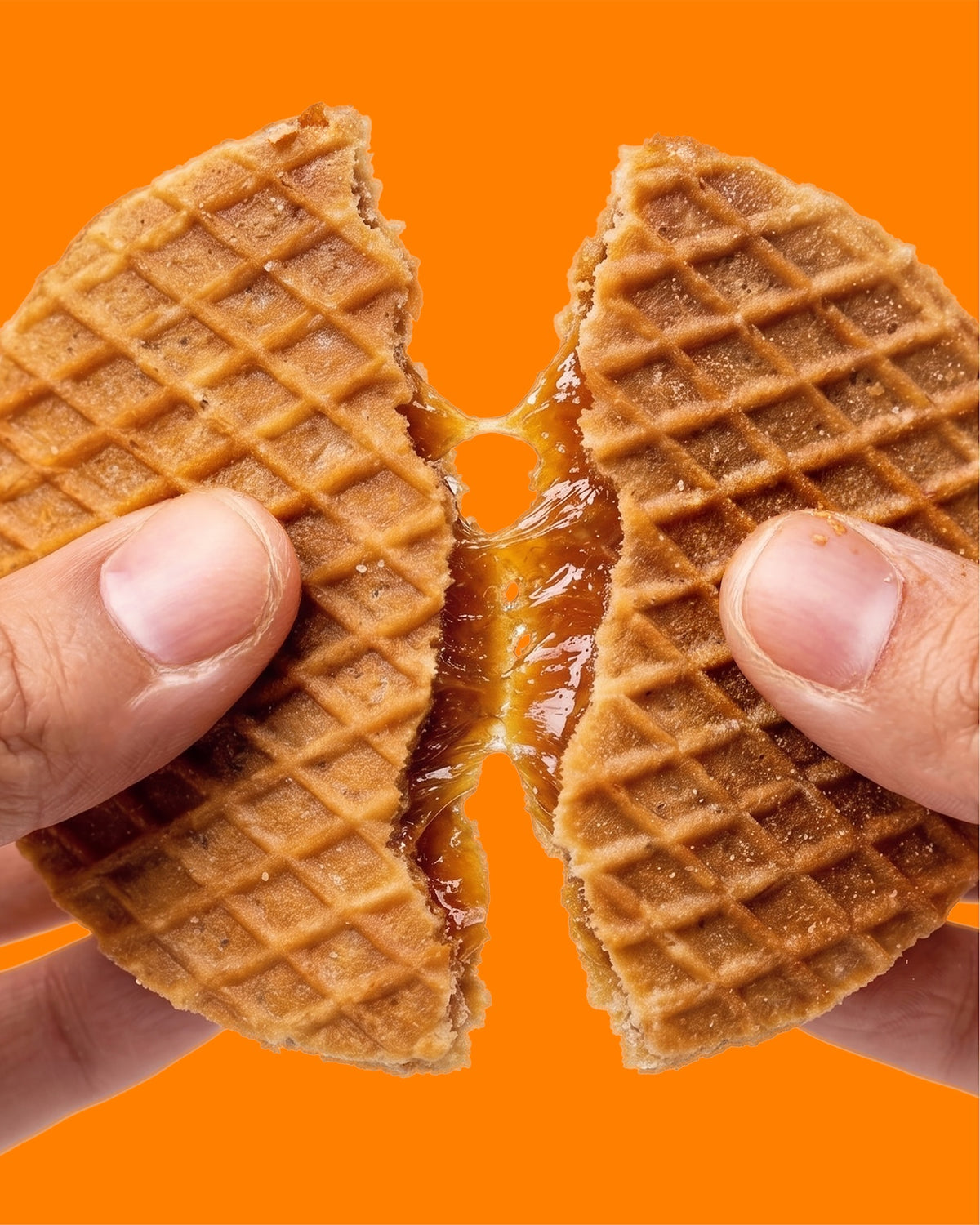
Dutch stroopwafels are thin, round waffle cookies split horizontally and filled with a layer of sweet caramel syrup. The name comes from the Dutch words "stroop" (syrup) and "wafel" (waffle). They are a classic example of Dutch cuisine and have been a beloved treat in the Netherlands for over a century. The cookies are known for their distinctive texture: a crisp, caramelized waffle disc on the outside with a soft, chewy center. This combination makes them a perfect pairing with a warm drink like coffee or tea, as the heat softens the filling and releases the rich caramel flavor.
A Brief History of the Dutch Caramel Waffle Cookie
The story of the stroopwafel begins in the late 18th century in the city of Gouda, in the Netherlands. According to local tradition, a baker created the first stroopwafel by using leftover scraps of dough and cinnamon. He pressed these scraps into a hot waffle iron, then filled the resulting thin waffle with a simple syrup made from sugar, butter, and cinnamon. The result was a sweet, portable snack that quickly became popular among workers and farmers who needed an energy boost. Over time, the recipe evolved. Bakers refined the dough to create a lighter, more tender waffle, and the filling became richer, often using brown sugar, butter, and a touch of molasses. By the early 20th century, stroopwafels were being sold from street carts and at markets across the country. They became a staple of Dutch culinary culture, a treat enjoyed by people of all ages.
The stroopwafel remained a largely local phenomenon until the late 20th century, when Dutch immigrants and travelers introduced it to other parts of the world. Today, it is recognized as a modern Dutch cookie treat, enjoyed globally. The traditional method of making stroopwafels involves a special waffle iron that produces thin, patterned discs. After baking, the waffle is immediately sliced horizontally with a knife, and the warm caramel filling is spread evenly inside. The filled cookie is then pressed back together and allowed to cool. This process gives the stroopwafel its characteristic layered structure: a crisp exterior and a soft, sticky interior. The texture is a key part of its appeal, offering a satisfying crunch followed by a chewy sweetness.
How to Enjoy Dutch Stroopwafels
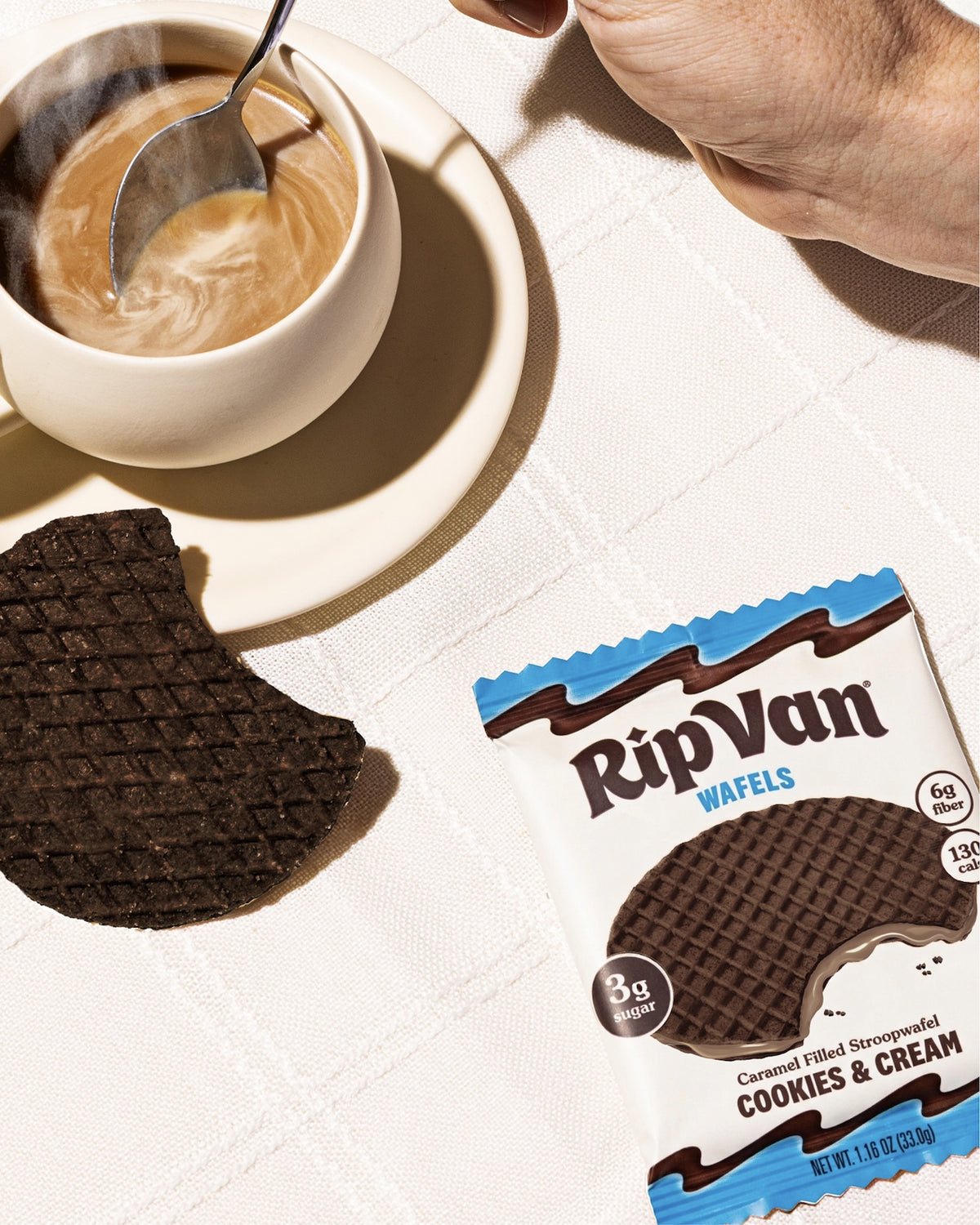
The most traditional way to eat a stroopwafel is to place it on top of a hot cup of coffee or tea. The steam from the drink gently warms the cookie, softening the caramel filling without melting it completely. After a minute or two, the cookie becomes pliable and the filling becomes gooey. You then lift the cookie, take a bite, and let the warm caramel melt on your tongue. This ritual is a cherished part of Dutch coffee culture, and it transforms a simple snack into a moment of comfort. Some people also enjoy stroopwafels on their own, straight from the package, especially when they want a quick, sweet bite. The cookies are also used as a topping for desserts, crumbled over ice cream, or even sandwiched between slices of bread for a unique twist on a sandwich. Their versatility makes them a popular choice for anyone who enjoys filled cookies with a bit of history.
Modern Variations and What to Look For
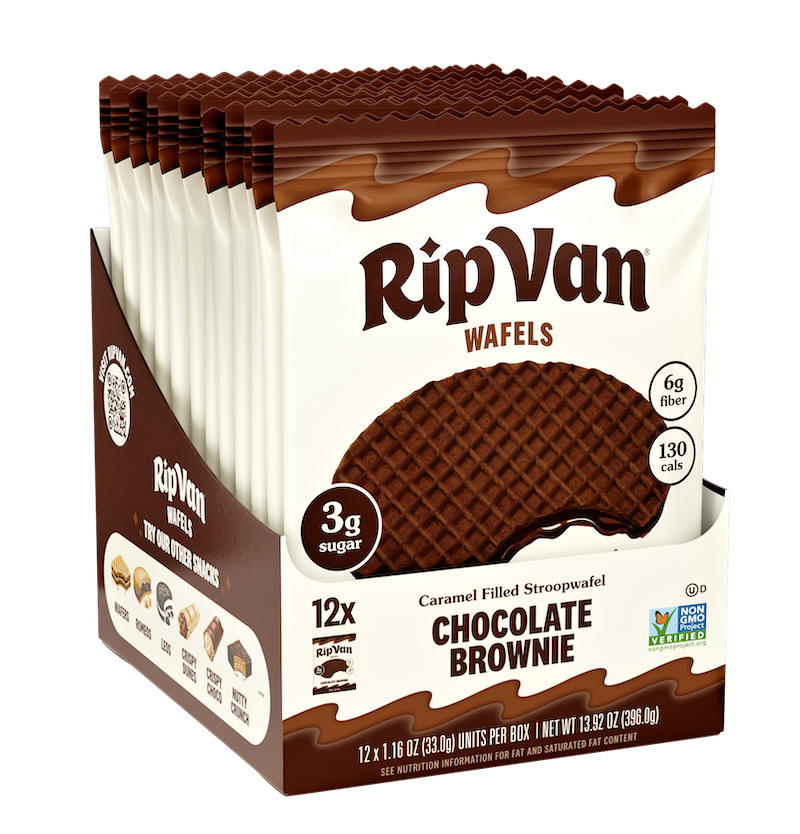
While the classic stroopwafel is made with wheat flour, butter, sugar, and cinnamon, modern versions have adapted to changing tastes and dietary needs. Some brands now offer low-sugar or reduced-calorie versions, using sugar substitutes or adding fiber to the dough. These variations aim to retain the traditional texture and flavor while appealing to health-conscious consumers. When choosing a stroopwafel, it helps to check the ingredient list. A good stroopwafel should have a short, simple ingredient list: flour, butter, sugar (or a sweetener), cinnamon, and perhaps a touch of vanilla. The filling should be thick and caramel-like, not runny or overly artificial. The cookie itself should be crisp but not hard, and the filling should be soft but not sticky to the point of messiness. The size can vary, but a standard stroopwafel is about the diameter of a tea saucer, making it easy to place over a cup.
One thing to watch out for is the texture. A well-made stroopwafel will have a uniform thickness and a distinct pattern on the surface. The edges should be slightly thinner and more caramelized, giving a pleasant crunch. The center should be slightly thicker and softer, where the filling is most concentrated. If the cookie is too thick or too thin, it may not heat evenly. If the filling is too runny, it can leak out during baking or make the cookie soggy. Manufacturers have refined their processes over time to achieve a consistent product, but quality can still vary between brands. This is where a little trial and error can help you find your favorite.
The Cultural Significance of the Stroopwafel
In the Netherlands, the stroopwafel is more than just a snack. It is a symbol of hospitality and comfort. Offering a stroopwafel with a cup of coffee is a way to welcome guests and share a moment. The cookie is also a common gift, especially during holidays or when visiting someone’s home. It represents a connection to Dutch heritage and a love for simple, well-made food. As the stroopwafel has spread internationally, it has become a modern Dutch cookie treat, appreciated for its unique texture and nostalgic flavor. It is a reminder that some of the best foods come from humble origins and a willingness to experiment with leftover ingredients. For many people outside the Netherlands, discovering a stroopwafel is like finding a hidden gem: a cookie that is neither a standard chocolate chip nor a plain wafer, but something entirely its own.
The stroopwafel also reflects a broader trend in global snacking: a move toward foods that offer both taste and texture, and that can be enjoyed in a ritualistic way. The act of placing a cookie on a hot cup is a small, mindful pause in a busy day. It encourages slowing down and savoring the moment. This quality, combined with the cookie’s rich history and satisfying taste, is what keeps people coming back. Whether you eat it the traditional way or as a quick snack, the stroopwafel delivers a consistent experience: a crisp, caramelized shell giving way to a soft, sweet center. It is a cookie that rewards patience and attention, and that’s a rare thing in today’s fast-paced world of snacks.
What It Means for the Reader
For anyone new to Dutch stroopwafels, the most important thing to know is that they are best enjoyed warm. The heat transforms the texture and flavor, making the caramel filling soft and aromatic. If you buy a package, try placing one on a mug of hot tea or coffee for about two minutes before eating. The steam will do the work. If you’re in a hurry, you can also warm a stroopwafel in a microwave for a few seconds, though the result will be a bit different, the cookie may become softer overall rather than just the filling. Either way, the experience is worth it. The stroopwafel is a simple pleasure, but one that carries a long history of Dutch craftsmanship and cultural tradition. It is a cookie that has adapted to the modern world without losing its soul.